How Immersive Technology Is Redefining the Way Products Are Launched
Published On 03-03-2026


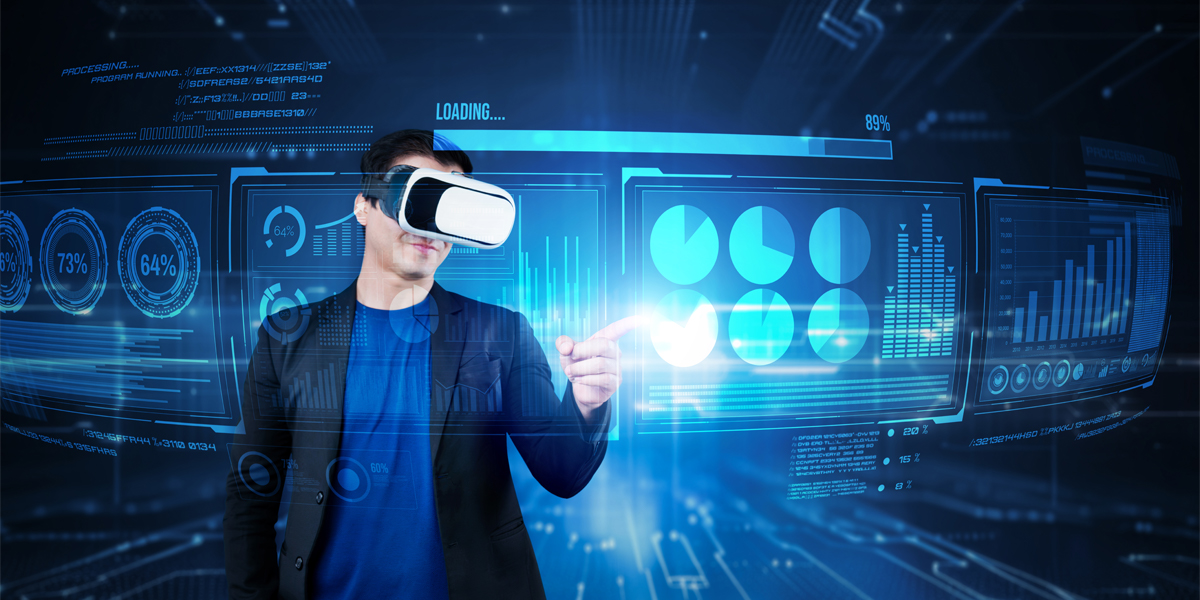
In today’s time, conventional product launches are no longer enough to make your product truly memorable. With the reduced attention span of audiences, we need some sort of immersive technology to grab the attention of audiences. Brands today need to create experiences that not only introduce a product but also immerse, engage, and connect. This is where technologies such as AR technology for product launch events, extended reality (XR), and interactive stages for product launches are making a real impact. At 24 Frames Digital, we believe these innovations are not just enhancements, they are game changers for modern event experiences.
Augmenting Reality to Surprise and Delight
Imagine walking into a launch event for a new gadget and seeing its 3D model come to life right in front of you on your phone or tablet, allowing you to open it, zoom into parts, or even see it in action. That’s the power of AR technology for product launch events. Augmented reality overlays digital visuals onto the real environment, making complex products approachable and exciting without heavy production costs. You can present features, customization options, or even performance comparisons in ways that feel intuitive and fun.
AR does more than look cool. It solves real problems. For products that are too big, expensive, or difficult to transport, AR can showcase them digitally without compromising on detail. It also invites attendees to participate in the experience rather than passively watch a presentation.
XR Stages: Where the Real and Virtual Meet
XR stands for Extended reality. It is an umbrella term for all immersive technologies that merge or blend the physical and virtual worlds, including augmented reality (AR), virtual reality (VR), and mixed reality (MR). As immersive technologies evolve, extended reality (XR) has emerged as a powerful tool for events. XR covers a spectrum of experiences from augmented reality to fully virtual environments. When integrated into stage design, XR brings a dynamic visual layer that connects emotional storytelling with real-time interaction.
Picture a product launch where the backdrop isn’t just a static LED screen but a responsive environment that shifts as the speaker talks. Brands can take their audiences beyond the four walls of an auditorium and place them inside a world that reflects the product narrative. This type of XR stage design for corporate events transforms every reveal into a scene that feels cinematic and engaging.
Interactive Stages That Build Engagement
Gone are the days of one-way communication at launches. Spectators now expect interaction. Interactive stages for product launches allow audiences to influence what they see and how they see it. This might include touchless gesture controls, motion-sensing elements, or audience-driven content displays that react based on crowd input.
For example, attendees could trigger different product demos by stepping into marked zones, or use their smartphones to choose what features are displayed next. These mechanics increase involvement and create personal connections with the brand and product.
Interactivity also helps with retention. People remember what they do more than what they watch. When they physically engage with the stage environment, the product story becomes more memorable and meaningful.
Reimagining Reach with Virtual and Hybrid Launches
Live events still carry a certain energy that’s hard to replace, but brands are increasingly looking for ways to make their launches more accessible. This is where virtual and hybrid product launch services have started to play a bigger role. By blending physical experiences with digital participation, brands can connect with audiences across cities and time zones, all at the same moment. Virtual attendees aren’t just watching a stream. They can move through interactive 3D spaces, ask questions, and take part in live polls much like those attending in person.
When AR and XR elements are layered into these platforms, the distance between physical and virtual audiences begins to fade. Everyone shares the same sense of discovery and involvement, no matter where they’re joining from. It’s a way to expand reach while still preserving the depth, engagement, and excitement that make a product launch feel truly special.
Final Thoughts
Product launches today are no longer about filling a room or putting up the biggest screen. They are about how people feel when they experience your product for the first time. Technologies like AR technology for product launch events, XR stage design for corporate events, interactive stages for product launches, and virtual and hybrid product launch services give brands the freedom to tell deeper stories, explain complex ideas simply, and create moments that stay with audiences long after the lights go down.
When used thoughtfully, these tools don’t overpower the message. They support it. They allow the product to take center stage while the experience quietly does its job of engaging, educating, and inspiring.
At 24 Frames Digital, we look at technology as a creative partner, not a gimmick. Every launch we design starts with one question. How do we help your audience truly understand and connect with what you are introducing? From there, the right mix of AR, XR, interactivity, and storytelling naturally falls into place.